I randomly write any topic about health here which I find interesting and informative. Wealth topic is also published here so that you will get some ideas on how to earn money too. Health and Money Awareness are my objectives in writing in this blog.

Showing posts with label Exercise. Show all posts

What treatment available for depression

Treatment for depression

What treatments are available for depression?

At a time when you may well find making decisions difficult, it can also seem like an added burden to try and choose between a range of treatment options.

What is actually available to you may depend very much on where you live. For example, talking treatments, such as counseling and psychotherapy, are more readily available in London and the South-East than they are in rural areas of northern England. You should be able to choose freely among a range of treatment options, but, in practice, most people attending GP surgeries are offered antidepressants as the first treatment choice. Don't be afraid to ask your GP about the treatments offered and what the alternatives are. Depression can be treated like other diseases.

The National Institute for Health and Clinical Excellence (NICE) published guidelines on the treatment of depression, in December 2004. These suggest that, for mild depression, antidepressants are not appropriate because the hazards outweigh the benefits. Suggested treatments include watchful waiting “ a recognition of the fact that depression often goes away without treatment“ guided self-help, short-term talking treatments such as cognitive behaviour therapy (CBT), and exercise programmes. For more severe depression antidepressants are appropriate, and selective serotonin re-uptake inhibitors (SSRI)s are suggested because their side effects are usually better tolerated than those of the alternative types of antidepressants. However, combining a psychological treatment with medication maybe the most effective course for severe depression.

Antidepressants
Antidepressant drugs are the most common medical treatment for depression. They work on chemical messengers in the brain to lift your mood. They can't cure depression, but they can alleviate the symptoms so that you may feel able to take action to deal with the depression yourself. It often takes between two to four weeks before the drugs take effect. The usual recommendation is that you stay on them for six months in order to prevent a recurrence. They don't work for everyone.

Antidepressants frequently cause unpleasant side effects, which are worse to begin with. Some can be dangerous when used with other drugs. Of the various different types available, SSRIs are usually the preferred first choice because, although they have as many listed side effects as older drugs, they are usually better tolerated. Others include tricyclic antidepressants and MAOIs (monoamine oxidase inhibitors). Whichever type of antidepressant you take, you may experience withdrawal symptoms when you stop taking them, especially if you have been taking them for some time. Because of this you should withdraw slowly, reducing the dose in stages over a period of weeks.

Psychological treatments
Your GP may offer you one of the following psychological treatments. The choice will depend on what's available, your own preferences, how severe your depression is and other factors:

* Five or six sessions of problem-solving therapy can help people break down their problems into manageable portions and provides strategies for coping with them.
* Cognitive behaviour therapy (CBT) helps to identify and change negative thoughts and feelings affecting behaviour and may last up to 12 months. Computerized CBT (CCBT) is now available and can be used in addition to or instead of sessions with a therapist. It is not suitable for someone with severe symptoms though, and NICE recommend individuals are assessed before using one of the programmes.
* Guided self-help delivers a six to eight week therapy programme through self-help books, under the guidance of a health care professional.
* Interpersonal psychotherapy (IPT) focuses on relationships. Therapy can continue for 6 to 12 months.
* Counseling can be short- or long-term. It involves talking with someone who is trained to listen with empathy and acceptance. This allows you to express your feelings and find your own solutions to your problems.

Psychotherapy is not usually available on the NHS. It is more frequent and intensive than counseling, and goes more deeply into childhood experience and significant relationships. Most psychotherapists work in private practice.

Painful experiences are hard to talk about, but health care professionals understand this. Be as frank as possible, so that people can offer you the best help. Don't be afraid to ask questions about your condition.

Befriending schemes
Your GP may put you in touch with a local befriending scheme with trained volunteers who could visit, weekly, to give you practical advice, support and a sympathetic ear.

What if my depression is worse, or won't go away?

Your GP may refer you to a specialist mental heath professional, such as a psychiatrist, psychologist or mental health nurse, who can review your treatment so far. They may suggest a different medication, or a combination of drugs or of treatments. Medication combined with psychological treatments seems to be the most effective way of dealing with severe or long-lasting depression.

You may need support to live independently, in the community. The Care Programme Approach aims to ensure that you are assessed and that the right services are provided for you by social services and the health authorities. You should be allocated a care coordinator to be responsible for this. You should be given an advance directive, which is a written treatment plan that also specifies which treatments you would prefer not to have.

Community Mental Health Teams (CMHTs) are often the most easily accessible service for people with mental health problems. They can provide support for people living in their own homes. The CMHTs are multi-disciplinary teams, which may include a psychiatrist, community psychiatric nurses (CPNs), social workers and support workers, among others.

Hospital admission
If you are severely depressed, you may need the shelter and protection offered by the psychiatric ward of a hospital. It also gives a psychiatrist the opportunity to monitor the effects of different treatments. Hospital can provide a safe and supportive environment if you are in a state of distress, and it may be comforting to have other people around you and to know that you are being cared for.

However, it can be distressing to be on a ward where you have little privacy, where you have to fit in to routines that may not suit you, and where you may be upset by the behaviour of other patients. Generally, doctors want to keep patients out of hospital, but some patients are compulsorily detained, if it's thought to be necessary, for their own health or safety or the protection of others.

Crisis resolution services
These are teams of doctors and nurses who provide intensive support, which will enable you to stay at home if you're in crisis, rather than going into hospital. This service is not yet available countrywide.

Electroconvulsive therapy (ECT)
This is a controversial treatment, usually offered only when people who are severely depressed haven't responded to drug treatment. It involves passing an electric current through the brain, while you are under general anaesthetic. The resulting convulsion may alleviate the depression, but can also have severe side effects, including memory loss.

What can friends or relatives do to help depression problem?

The very nature of depression, which brings a sense of hopelessness, helplessness and worthlessness, can prevent someone who's depressed from seeking help. They often withdraw from friends and relatives around them, rather than asking for help or support. However, this is a time when they need your help and support most. Perhaps the most important thing that you can do is to encourage your friend or relative to seek appropriate treatment.

Try not to blame them for being depressed, or tell them to "pull themselves together". They are probably already blaming themselves, and criticism is likely to make them feel even more depressed. Praise is much more effective than criticism. You can reassure them that it is possible to do something to improve their situation, but you need to do so in a caring and sympathetic way.

People who are depressed need someone who cares for them. You can show that you care by listening, sympathetically, by being affectionate, by appreciating the person, or simply by spending time with them. You can help by encouraging them to talk about how they are feeling and getting them to work out what they can do, or what they need to change, in order to deal with their depression.

If the person you are supporting is severely depressed, you may be faced with some hard decisions about how much to do on their behalf. If, for example, they are not looking after their physical needs, should you take over and do the shopping, cooking and cleaning for them, if you are able to? Or should you try and encourage them to do it? There are no easy answers to this situation. It will help if you can find someone with whom you can discuss these and other issues.

Supporting a friend or relative who is suffering from depression is an opportunity to build a closer and more satisfying relationship. However, it can also be hard work and frustrating, at times. Unless you pay attention to your own needs, it can make you feel depressed, too. Try and share the responsibility with as many people as possible, and find people to whom you can express your frustrations. There may be a local support group of others in your situation. You could also talk to your GP or another health care professional about getting help for yourself and your family.

These are the treatment available for depression but first you must know the symptoms of depression to cure it. 

Stay Healthy by eating the right foods, exercise and be happy

To stay healthy you should follow these three basic rules like eating the right foods, exercise and be happy.

Eating the right food means you eat foods full of vitamins and minerals and eat them moderately. There are foods and drinks that you should avoid like foods full of cholesterol example meat like beefs, pork and even poultry. You can eat them though but at very minimal. Eating them once a week is okay but eating them once a month is much better. Stick your diet more on vegetables and fruits because they will give you vitamins, minerals and fiber.  Avoid smoking and drinking alcohol. You can drink alcohol in moderate way because health expert found out that our body needs alcohol too. It is good for the heart if drink moderately.

Exercise is very important to our body because it will burn calories that will make us fat and perhaps obese. There are many ways to exercise like doing chore in your home, playing ball games, and hiking, going to the gym and even biking. Speaking of biking this is my favorite exercise to do because I can go anywhere and can see beautiful panoramic views. There are many type of bikes out there for you and your family members. I have my mountain bike when I was in college and until now it is still working. Bikes like beach cruiser bikes are now popular today and they are in fact cheaper and affordable. If you want to exercise naturally it is better to buy a bike.

Another thing to remember is to be happy even in the time of loneliness. Be contented of what you have because this is the only way to age gracefully. 

What are the symptoms of Depression


What are the symptoms of depression? If you have a feeling like this then you suffer from depression. "I felt detached from the world around me. All emotions “ love, affection, anger“ were gone. Actually, I can't say I had no emotions, I did, but they all seemed desperately negative. Most involved fear. Fear that I would never escape the condition."

Here is another symptoms of having a depression.
"I was so scared of being alone with my thoughts. At night, everything seemed so bleak. I couldn't concentrate on anything; I couldn't read or watch TV. I couldn't relax or unwind. Sleep seemed impossible “ so many thoughts were racing through my mind. I would spend hours fantasizing about ways of killing myself."

"Everything to do with everyday life seemed like such hard work. I simply didn't have the energy to go to work, to see friends, to shop, cook or clean. It all seemed pointless! What was the point in eating, when I didn't even want to be alive?" Depression is a sickness that you need to b e aware of. Many people suffer this disease and you need a specialist to heal this problem.

This booklet describes the symptoms of depression and the different kinds of treatment available. It suggests ways that people can help themselves, and what family and friends can do. It also tells you where to find further advice and information.

If you are depressed, you may feel that nothing can help. But this is untrue. Deciding to do something is the most important step you can take. Most people recover from bouts of depression, and some even look back on it as a useful experience, which forced them to take stock of their lives and make changes in their lifestyle.

What are the symptoms of depression?

Depression shows up in many different ways. People don't always realize what's going on, because their problems seem to be physical, not mental. They tell themselves they're simply under the weather or feeling tired. But, if you tick off five or more of the following symptoms, it's likely you're depressed.

* being restless and agitated
* waking up early, having difficulty sleeping, or sleeping more
* feeling tired and lacking energy; doing less and less
* using more tobacco, alcohol or other drugs than usual
* not eating properly and losing or putting on weight
* crying a lot
* difficulty remembering things
* physical aches and pains with no physical cause
* feeling low-spirited for much of the time, every day
* being unusually irritable or impatient
* getting no pleasure out of life or what you usually enjoy
* losing interest in your sex life
* finding it hard to concentrate or make decisions
* blaming yourself and feeling unnecessarily guilty about things
* lacking self-confidence and self-esteem
* being preoccupied with negative thoughts
* feeling numb, empty and despairing
* feeling helpless
* distancing yourself from others; not asking for support
* taking a bleak, pessimistic view of the future
* experiencing a sense of unreality
* self-harming (by cutting yourself, for example)
* thinking about suicide.

Anxiety
People who are depressed are often very anxious. It's not clear whether the anxiety leads into the depression or whether the depression causes the anxiety. A person feeling anxious may have a mind full of busy, repetitive thoughts, which make it hard to concentrate, relax, or sleep. They may have physical symptoms, such as headaches, aching muscles, sweating and dizziness. It may cause physical exhaustion and general ill health.

What causes depression?

There's no one cause of depression; it varies very much from person to person and can happen for a combination of factors. Although depression, as such, doesn't seem to be inherited through the genes (with the possible exception of manic depression), some of us are more prone to depression than others. This could be because of the way we're made, or because of our experiences or family background.

Past experiences can have a profound effect on how we feel about ourselves in the present, and if those feelings are very negative, they can be the start of a downward spiral. In many cases, the first time someone becomes depressed, it's triggered by an unwelcome or traumatic event, such as being sacked, divorced, physically attacked or raped.

Depression is seen by some experts as a form of unfinished mourning. Often events or experiences that trigger depression can also be seen as a loss of some kind. It could be following the actual death of someone close, a major life change (such as moving house or changing jobs) or simply moving from one phase of life into another, as we reach retirement or our children leave home. Its not just the negative experience that causes the depression, but how we deal with it. If the feelings provoked are not expressed or explored at the time, they fester and contribute towards depression. It's important to acknowledge and grieve over what we have lost in order to be able to move on successfully.

Depression may also be caused by an under-active thyroid. The thyroid gland controls metabolic rate and, if it is not working properly, can cause you to experience various symptoms. If it is under-active, you will feel sluggish and lethargic, may put on weight, and feel depressed. If it is overactive, you may feel very speed up, lose weight and have symptoms similar to mania. It is important to have a thyroid function test (a simple blood test) to make sure that this is not the cause of your depression, especially if you cannot account for it in other ways, such as recent life events. If an under-active thyroid is diagnosed, it can be treated successfully with appropriate medication.

Anecdotal evidence suggests that occasionally people become very depressed in response to certain foods. Such a reaction is very individual, and people are often not aware of the particular food substance or drink that is causing the problem. But if you suddenly feel depressed for no apparent reason, it may be worth considering whether you have eaten or drunk something new, and whether this might have caused your sudden change of mood. If this is the cause, your mood should lift very quickly, so long as you don't consume any more of the particular item.

Poor diet, lack of physical fitness, and illnesses, such as flu, can all leave us feeling depressed. Frequent use of some recreational drugs can also play a part.

It's clear that people who are depressed show changes to the chemical messengers (called neurotransmitters) in the brain. It's less clear whether this is a cause or a result of the depression.


What can I do to help myself to get rid of depression?

Depression has one major characteristic that you need to be aware of when thinking about what you can do to defeat it. It can feed on itself. In other words, you get depressed and then you get more depressed about being depressed. Negative thoughts become automatic and are difficult for you to challenge. Being in a state of depression can then, itself, become a bigger problem than the difficulties that caused it in the first place. You need to break the hold that the depression has on you.

An important thing to remember is that there are no instant solutions to problems in life. Solving problems involves time, energy and work. When you are feeling depressed, you may well not be feeling energetic or motivated to work. But if you are able to take an active part in your treatment, it should help your situation.

Fighting negative attitudes
Try to recognize the pattern of negative thinking when you are doing it, and replace it with a more constructive activity. Look for things to do that occupy your mind.

Activity is good for the mind
Although you may not feel like it, its very therapeutic to take part in physical activities, for 20 minutes a day. Playing sports, running, dancing, cycling, and even brisk walking can stimulate chemicals in the brain called endorphins, which can help you to feel better.

Caring for yourself
You need to do things that will improve the way you feel about yourself. Allow yourself positive experiences and treats that reinforce the idea that you deserve good things. Pay attention to your personal appearance. Set yourself goals that you can achieve and that will give you a sense of satisfaction.

Look after yourself by eating healthily. Oily fish, in particular, may help alleviate depression. Don't abuse your body with tobacco, alcohol or other drugs, which make it worse.

Alternative and complementary therapies
Practitioners of complementary and alternative medicine concern themselves with the person as a whole, and don't merely treat their symptoms. They can take more time with you than a GP can.

Practitioners may offer treatments such as acupuncture, massage, homeopathy and herbal medicine that many people with depression have found helpful. St John's Wort is one of the herbal remedies that have become very popular, and may help to lift your mood. But if you are already taking other medication, it may not be safe to combine them. Consult your pharmacist or GP for more information.

Self-help groups
It can be a great relief to meet and share experiences with other people who are going through the same thing you are. It can break down feelings of isolation and, at the same time, show you how other people have coped. Finding that you can support others can help you, too.

These groups are often led by people who have overcome depression themselves. For help in locating local self-help groups, talk to your GP .

If you have these feelings then you I am sure you are depress. You must not neglect these signs or symptoms of depression. Call a Doctor.

Over fatigue

Today I am very tired because we did an overtime transferring properties from old villa to our warehouse. It is really a tiresome job to do, lifting heavy washing machines and refrigerators. Sometimes I felt very sad because some of us are not really helping. If only we still have the Filipino value which is to help one another, but it seems to me that this value is already gone or forgotten in our present time.
Over Fatigue

But if you are tired doing nothing then you are lazy or maybe you have a health problem. Don't ignore it, visit your doctor immediately, you might have a heart problem. Feeling tired without a reason is something we must care. If you are anemic, you better ask your doctor too for vitamins prescription. Eat plenty of vegetables and exercise.

Manage your stress to avoid fatigue and eat the right foods.

Effects of Stress

Excessive stress is harmful. Chronic exposure to stress over a long time does not only cause temporary “pain in the neck” or migraine headache but nay cause more serious disease. Griffin claims that chronic stress can take a physical tool contributing to blood clotting. Hans Selye a pre-eminent researcher in this field claims that hypertension, cardiovascular disease, heart ailments and aging is nothing but the “scars” left by the stress of life. Extreme stress such as physical violence can lead to long term mental and neurologic symptoms including impaired memory, anxiety, and depression. Sleep disturbance, sexual dysfunction.

Some case of irreversible brain damage associated with cerebral atrophy had been associated to serve stress. Helping others with problems bigger than you own distracts you from dwelling on your own problems. Concern for others elevates your spirit and immunological hardiness. Awareness to stress can bring a tool to one’s health, it will do well to identify other ways to reduce stress even before they are experienced: Know your limitations. Biting more than you can chew can be self-defeating. This means that you should know just how much you can handle given the limited time and numerous schedules before you.

Maintaining good physical health. Good eating habits, plenty of rest, adequate exercise, and staying away against stress. Relax. Take a break. Once you recognize the existence of stress, spend restful moments that have refreshing effect. These are some ways on how to manage stress.

How to deal with Worry

How to deal with worries?

How to deal with worry?

Dr. Wyne Dyr in his book our Erroneous Zones considered worry as a useless emotion. There are many ways of dealing with worry and Dr. Hallowell gives some of the practical tips: Exercise. Regular exercise has been proven to reduce anxiety and depression. It drains excess aggression and frustration, enhance a sense of well-being, improve sleep, and aid concentration. Make connections. Connect with friends, family, organization, church and work. You increase your feeling of strength and reduce your sense of vulnerability. Add structure to your life.

Write a daily schedule. Many everyday worries are related to disorganization – schedule forgotten, things lost, misplaced, overlooked, etc. Do something you like. When you are engaged in a task you enjoy, worry is the least that you will likely do. Don’t drink excessively. Alcohol is a depressant. It can only render you less capable of dealing with worry. Chronic use of alcohol accelerates aging. Get up. Walk, talk to a friend, hug a friend or someone you love and play with you own pet. Have a good cry. Sometimes worry is a put-up sadness.

A good cry can wash away bad worries. Crying is nature’s way of lowering levels of the brain chemicals that cause distress. Laugh. Humor is one of the best ways of dealing with worry or stresses in life. Laugh breaks drastically lower personal stress level. Let music in. Soft music can reach the mind. It reduces tension and anxiety. Sing. It’s hard to worry and sings at the same time. Smile. Be happy. Talk to God. Studies reveal that there are lower rates of depression among those who pray. Prayer and meditation calm our troubled.

Teenage Suicide

Suicide is the decision to deliberately end one’s life. According to Dr. Liza E. Ronadain, Psychiatrist at the Makati Medical Center and Center for Family Ministries, statistics reveal that suicide takes place among 18-27 years of age and 37% of suicide attempts are completed. Researchers reveal that people who consider suicide are having problems relating to friends and just keeping it to their selves. They lack social support from person who can listen to them and help them manage their problems.

Personality factors such as a negative self-image and low self-esteem contribute to the difficulty of the adolescent to cope with depression. He will feel inadequate and inferior. An adolescent with low self-worth becomes critical of his weakness and failures. It will be very difficult for a person with low self-image to whisk off feeling of rejection, guilt and helplessness. Gretchell, etc. Al, (1991) identified two attitudes that can aggravate these negative feelings and thought of suicide: overgeneralization and personalization.

In overgeneralization, he immediately draws a broad conclusion from a single incident. For example, if a girl rejects his expression of affection, he immediately concludes that “I’m a jerk” or that “I am not worth loving”. In personalization, he takes a remark or incident too seriously and personally. For example, a teenager feels responsible for the financial difficulty of the family. He feels that because of him, the family has been burdened and he is helpless to remedy the family problem. He then becomes very depressed and entertains thought of suicide.

What is Exercise

The physical training of the human body to improve the way it function is known as exercise. Physical fitness through exercise improves the body’s capacity to perform, develop strength and increase resistance to infection and diseases. Exercise keeps the body fit to work against the stressors we face in this fast-pace, competitive modern world. Components of Exercise. Mayo clinic (2003) recommends three components of exercise in 30 minutes daily physical activity: an aerobic activity to gradually raise your heart rate and improve heart health. – Weight lifting every other day helps build muscle and bone and prevent stiffness.

Aerobics exercise is characterized by the continuous moderately strenuous effort that occurs at a pace enabling the heart and lungs to supply the oxygen needed by the muscles (Campton’s Interactive Encyclopedia Deluxe, 1998) Aerobic exercise such as running , swimming, and bicycling improve the body’s ability to transport and consume oxygen efficiently.

Health Benefits of Exercise

Health Benefits of Exercise is very important and it will not cost a cent to do it.

Medical habit and health professionals recommend a minimum level of physical activity that must be maintained to prevent serious atrophy or physical deterioration. It alters the neurotransmitters in the brain, boosting the immune system and releasing performance-enhancing chemicals (Stolty, 1997). Exercise builds strong sense of self-image and a sense of emotional balance. This is true because exercise serves as a way of releasing of the tension and anxieties. Franchoco, et al, (2002) cited the study of the comprehensive Cardiovascular Disease Control Program (CCCP) and it observed that Filipinos performed sedentary and lightweight physical activities. The study recommended that with the rise of incidence of cardiovascular disease, Filipinos perform regular physical exercise.

The World Health Organization cited by Tan (2004) issued a warning about redentary activities like office and factory work increasing the risk for heart disease. It is necessary for people with this kind of work to exercise for weight control and keep the heart fit. Walking briskly for thirty minutes, three times a week can be good for the heart. Exercise is an anti-aging measures and one can readily do regardless of age. It helps the body stay young. Exercise helps improve the functioning of the brain area crucial to memory. It can lose stress, depression and insomnia. It helps prevent cardiovascular disease, obesity, diabetes and osteoporosis.

Exercise to loss weight

Exercise is very important to stay fit and healthy. There are many gadgets around if you want to stay fit today. Technology has produced many exercise machines that you can use at home if you do not have time to jog in the field. Many sexy models are active people and they have a very nice Abs because they exercise almost everyday.

If you have this lifestyle you can achieve a tone posture that everyone can envy. There are many exercise gadgets which you can choose, just have video exercise to guide you when doing the exercise. You can achieve a very nice body if you do exercise with the right food intake. You can try treadmills if you hate jogging outside your home. Another gadget is exercise-bikes, these gadget can really loss weight and enjoyable to do.

If you want to look like a model start your exercise now and eat the right foods. Avoid fats, sweet and carbohydrates now. You can loss weight very fast if you will follow my advices. For exercise accessories you can visit website online, i am sure there are many online stores that sell them.

Mountain Bikes

mountain bike
I like Mountain Bike? I shopped online if I want to buy mountain bike accessories. Do you shop online? There are many online stores today that you will be confused which one is the best to shop. If you want to shop online look for a website that offers many products because the more products that it offers, the more that they are cheaper. I found a website that offers 30,000 stores and of course almost everything you need is available. Some online websites are only offering few products and mostly only up to 1,000 stores. I am talking about Shopwiki an online store. If you are confused and do not know where to buy the item that you want then go straight to this online store and search.

Cycling is one of the best creations that I like because you can exercise while seeing panoramic views around. It is my first pastime and it is still today. I want to buy a Mountain Bike before but I could not afford so I end up buying a BMX Bike. I still have my bike shoes and my helmet in our garage today but the bike has long been gone. I have now my Mountain Bike when I got my first job 10 years ago. I really like biking because it is the best way to exercise without knowing it. When you do an exercise like going in the gym, you will end up bored and do not want to come back there again the next day for another round of exercise.

If you want to learn about Mountain bike then visit the Shopwiki today before buying. There is an article there about Mountain Bikes Buying Guide for everyone to read before you decide to buy if you are new in this hobby. I have lots of friend who are professional biker and some of them even won the Marlboro Tour in our country.

Walking is the best exercise

If you have no time to exercise like weight lifting and aerobics then walking is the best thing to do. According to study walking briskly with your arms can help you loss weight than having a weight lifting or other form of exercise. It can also help you not to eat food because it is natural and slow which will not sweat you out. Exercising with force or weight can make you hunger that will crave you for more food.

Walking like for example going to grocery store is the best because you will enjoy buying and forget other things but remember you have to list all you need to buy before going to the store otherwise you will end up spending to much and you will forget saving your money for investment. Scrubbing the floor can also help you reduce weight and cholesterol in your body.

In my personal experience I lost weight by walking from our office to our villa every afternoon after work. This is very effective and of course not eating to much food with sugar, cooking oil, salt and having a moderate carbohydrates.

How to manage stress?

How to manage stress?
"The more I did, the more I seemed to have to do. I felt as if I was on the verge of flu, but it never seemed either to turn into full-blown illness, or to go away. Eventually, after a good few weeks, I went to the doctor, and she said what I needed was a holiday, and she wished she could give it to me on prescription. "

"I was so worried about the money, but there was nothing I could do. I felt I couldn't worry my wife about it, so I kept quiet about it. She finally wheedled it out of me. It was such a relief. Telling her about it made me realize I'd got the whole thing out of proportion."

"I was on a short fuse with everything and everyone, and it was a sort of vicious circle, because then the whole family began to snap at each other. I couldn't understand what was wrong. I just wanted to shut myself away. But, then, when I was on my own, I felt as if everyone else was having a better time without me. I'd wake up in the middle of the night and not get back to sleep, and I was getting more and more tired. Things didn't start getting better until I realised that I had to change the way I was organising my life, and let other people take on some of the strain."

This booklet is aimed at anyone who wants to know how to cut down their stress levels. It explains when and how stress can be bad for you, and describes the signs to watch out for. It also provides helpful strategies for dealing with stress, and tells you where to go for further help.


When and why is stress harmful?

Stress is something we all encounter. Life changes, such as moving house, getting married or coping with a bereavement, can all cause it, while negative social conditions, such as unemployment, poor housing, noisy neighbours, relationship problems and difficulties at work, can also contribute. However, stress also has a positive side. A certain level of stress may be necessary and enjoyable in order to spark us into action.

Stress means different things to different people. A situation that is intolerable to one person may be stimulating to another. What you feel is determined not just by events and changes in the outside world, but how you perceive and respond to them. The important point is that you can learn to recognise your own responses to stress and, if necessary, develop skills to deal with it. In the animal world, the response to danger is to run away or to turn and fight. People respond to emotional stress as if it were a physical threat; rapid changes in the muscles and organs of the body are involved. Your muscles tense, ready for action and your heart beats faster to carry blood to where it's most needed - the muscles and the brain. You breathe faster, sweat more and your mouth becomes dry. These physical reactions are due to hormones that the body produces, including one called adrenalin.

This automatic reaction to a threatening situation is known as the 'fight or flight' reaction. It equips us to fight or escape from an enemy. You may merely be having an argument with a colleague, but your body may react as though you were gripped in a life-or-death struggle with a lion. Unfortunately, many people turn to cigarettes, alcohol or tranquillisers as a way of coping with stress. These may seem to help in the short term but, in the longer term, may further undermine your well being.


How can I tell if I'm under too much stress?

As stress begins to take its toll physically, emotionally and on your behaviour, a variety of symptoms can result. Check off the symptoms you recognise in the following lists. If you identify a large number of signs in yourself, don't panic! You're among those who can benefit from applying the principles and techniques outlined in this booklet.


How your body may react

* breathlessness
* headaches
* fainting spells
* chest pains
* tendency to sweat
* nervous twitches
* cramps or muscle spasms
* pins and needles
* high blood pressure
* feeling sick or dizzy
* constant tiredness
* restlessness
* sleeping problems
* constipation or diarrhoea
* craving for food
* indigestion or heartburn
* lack of appetite
* sexual difficulties.

How you may feel

* aggressive
* a loss of interest in others
* irritable
* taking no interest in life
* depressed
* neglected
* bad or ugly
* that there's no-one to confide in
* fearing diseases
* fearing failure
* a loss of sense of humour
* dreading the future.

How you may behave

* have difficulty making decisions
* avoiding difficult situations
* frequently crying
* have difficulty concentrating
* biting your nails
* denying there's a problem
* unable to show true feelings.

In ticking off your own reactions, you can get an idea of your characteristic responses to stress.


What's the best way to handle pressure?

Remember that a little stress is good for the body and alerts the mind. However, the methods of coping with stress described in this guide should enable you to deal more effectively with it.

Manage your time
Although we often plan for months ahead, it's also important to plan our days. Making time for leisure, exercise and holidays is just as essential as spending time on business or home worries.

* Everybody has a time when they feel at their best. Identify your best time (you may be a morning person or a night owl) and use it to carry out important tasks that need the most energy and concentration.
* Make a list of things you have to do on any given day. These are your priorities; everything else can be left until later. Arrange these priorities in order of importance, and stick to that order.
* Try to take tasks one at a time, until each is finished. If you try to do too many at once, you're more likely to end up muddled and accomplishing less.
* Variety is a good idea. If you can, vary your tasks in a day; dull jobs with interesting tasks, tiring jobs with easier ones.

Act positively

* Once you've finished a task, take a few moments to pause and relax. Remember to use your break wisely: do you really need that cigarette or cup of coffee? Why not eat an apple or try some deep breathing instead?
* In the face of unrealistic demands and expectations coming from other people, be prepared to say no. Practise being straightforward and assertive in communicating with others.
* At the end of each day, sit back and reflect on what you've done and what you've achieved, rather than spending time worrying about what still needs to be done.
* Try to make time to switch off from your tasks at home or at work. Use your free time to relax and unwind.
* A change of scene can help. Try to get away every so often, even if only for a couple of days.
* Develop an absorbing hobby or interest, one that is far removed from everyday stresses and strains; you'll be glad you did.


How can I overcome the ill effects of stress?

Sleep problems
Sleep problems, such as insomnia, are a common sign of stress. It seems that about one person in five suffers from them. Worries about personal problems, family, or work may make it increasingly difficult to fall asleep, and sleep may be disturbed by vivid, bad dreams. There are several simple measures worth trying if you want to establish a better sleeping pattern.

* Pay attention to your surroundings. If you are troubled by noise, use earplugs; if light from the street disturbs you, use thick, lined curtains or blinds.
* It makes sense to wake up at the same time each morning and go to bed at about the same time every night. Usually, if people get up regularly at the same hour, they will tend to become sleepy by a certain hour in the evening.
* It can be helpful to follow a night-time routine in order to wind down before bedtime. You could try going for a walk, listening to the radio or watching a relaxing TV programme, reading an undemanding magazine, taking a warm bath or having a hot drink (but avoid stimulants, such as tea and coffee, and heavy meals, late at night). Relaxation and deep breathing exercises can also help you switch off and prepare for sleep.

Many middle-aged and older people feel that they sleep less well than they would like, but people do tend to sleep less soundly as they get older. Physical discomfort or pain will certainly affect sleep, but it's worth noting that drugs prescribed for an illness may also cause insomnia.

Underlying emotional problems can make people much more vulnerable to stress. Depression may make it difficult for you to get to sleep, or you may find you wake very early feeling particularly depressed and anxious. Consider contacting your GP to discuss your sleep problem. Alternatively, if you wish to explore any underlying reasons, you could consider counselling. .

The holistic approach to healthcare emphasises the need to look at the whole person and not just their problems, and this can also be very helpful for stress-related symptoms. Many practitioners of alternative and complementary medicine take a holistic approach. Meditation, massage and autogenics can all help relieve stress disorders and promote relaxation.


How can I help myself to relax?

Relaxation is the natural answer to stress. Each and every one of us should make time in the day to relax, whether we feel under stress, or not. The following techniques can help.

Deep breathing
The way you breathe can have a dramatic effect on your sense of well being. Many people breathe poorly, without even realising it. This is especially true of people under stress. To improve the way you breathe, try this simple exercise for just five minutes a day. It can help relieve tension, anxiety, dizziness, pins and needles, cramps and chest pains.

Don't be concerned if these breathing exercises aren't for you. Not everyone feels comfortable focusing on their breathing, and if this is the case, there's no need to pursue it.

* Sit down, or lie down on your back. Make sure you are comfortable, and loosen any tight clothing.
* Become aware of your breathing, its rhythm, depth or shallowness, and its speed.
* Put one hand on your upper chest and one just below your ribs on your abdomen.
* Slowly let out your breath.
* Gently breathe in, so that you feel your abdomen rise slowly under your hand.
* Breathe out again, feeling your abdomen fall, and make sure you exhale a little longer than you inhaled.
* Pause for a few moments and then repeat the process again.

If you find that only the hand on your abdomen moves, then you are breathing correctly; the abdomen is moving as your diaphragm rises and falls rhythmically. There should be little or no movement in your upper chest; your hand should stay still.

Simple relaxation
Try this every now and again, especially when you feel under pressure. It should take you no more than five to ten minutes.

* Have a stretch. Then let your shoulders and arms relax into a comfortable position. Shrugging, wriggling and shaking all help your muscles to stop tensing and to relax.
* Ease off the tension in your feet, ankles, calves, knees, thighs, chest, arms and neck.
* If you are sitting in a chair, or on the floor, allow yourself to feel as if the chair or the floor is supporting your whole weight; feel yourself letting go.
* Try to be peaceful; loosen your jaw and face. A bland expression will help your face muscles to relax.
* Follow the breathing technique described above.
* Close your eyes and imagine a peaceful scene, such as an exotic desert island, the shady depths of a forest, or sunlight glistening on a lake.
* Choose your own special place, whatever seems most restful to you. Then for a few moments, imagine that you are really there.


What else can I do to reduce my stress levels?

Physical activity is an important means of reducing stress levels and preventing some of its damaging effects on the body. Exercise uses up the adrenalin and other hormones that the body produces under stress, and relaxes the muscles. It will help to strengthen the heart and improve blood circulation too.

Research suggests that physical activity can lead to a change in body chemistry that can affect the way people feel, as well as their physical condition. And that's not all. Exercise can also help to raise self-esteem and reduce anxiety and depression.

You don't necessarily have to take up a competitive or vigorous new sport. Remember that you can benefit simply by becoming more active, as part of your daily routine. So, walk to the shops, don't drive, climb the stairs, don't use the lift, cultivate your garden, don't just sit there!

Healthy eating
When things get too hectic or difficult, and you feel under stress, it's often easy to forget about what you eat; it just doesn't seem important, or there isn't time. But what we eat, and when we eat, can make a big difference. It's important to make time for regular food or snacks and not to miss out on meals, such as breakfast. Try not to rush; take time to enjoy what you're eating.

Choose a good variety of foods, making sure you have a balance of protein (from meat, fish, nuts or cheese), starch (from bread, potatoes, pasta and rice) and fibre (cereal and wholemeal bread). Eat plenty of fresh fruit and vegetables (a minimum of five portions a day). Finally, cut down on saturated fat (from dairy products), sugary foods and salt.

Having fun
Making time for regular leisure activities can help you release the tension that stress can cause, and to take your mind off the worries of the day. Whether you unwind by soaking in a hot bath, browsing through your favourite books, listening to music, gardening or taking photographs, the important point is to enjoy the activity as an end in itself, purely for the pleasure of the moment.

Some ways to handle stress

It is common to feel stressed-out or under pressure, especially as a teenager. Not only is your body changing quite rapidly, but many teens have the pressures of doing well in school , fitting in with your friends, and dealing and meeting your own expectations as well as your parents. Although your situation and stress will change over time, stress and tension will most likely occur in certain situations for the rest of your life. With the proper skills you can manage stress and even use it to your advantage.

Some ways to handle stress:

  • Talk about it with someone who cares (friends, peer counselor, parent, teacher, doctor, guidance counselor). Feel your feelings(Crying is an emotional release)
  • Do an enjoyable activity (hang out with friends, take a bath, talk on the phone, listen to the radio, write in journal, take a nap, watch TV)
  • Exercise and eat right.
In addition to handling your stress in positive ways, many people use relaxation techniques to manage stress. Try these:
Deep Breathing This will helps you concentrate on your breathing and can help to calm down a person under stress.
Don't go into drugs and alcohol, these will lead to your downfall.

Infrared Saunas

Saunas is now very popular to relax and soothe your tired body safely. There are many reasons why we must relax our body to sauna. Some of them are to relax our tired muscle and body, pain relief, weight loss, increase blood flow, detoxification of the body and others. Infrared Saunas are now very popular but cheap. Try it now and see the good result to your body.

This technology is featured in the television like Fox News so you can be sure that they are safe. An infrared sauna is now available online, so if you want it to be delivered on your door, order now online. Far infrared Saunas are also available with each price start at $1995. There are many testimonials in the website that you can read if you have any doubt about the effectiveness of the gadget. The far infrared sauna is good because it can penetrate up to one and half to your skin that reaches to your muscle and make them relax.

Order now! If you are in the USA, the delivery is free.

Alternative Exercise

The most important benefit of exercise is that, if properly done, it increases longevity.

Here are the alternative exercises:

Housework ( scrubbing, waxing, sweeping, moving around things) demands as much energy as walking three miles per hour or cycling five miles per hour.

Climbing stairs- equals playing doubles tennis or jogging five miles per hour.

Jumping rope- is equivalent to swimming 45 yards a minute or running at six miles
per hour.

Benefits of treadmill exercise


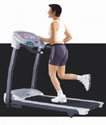
Are you like me that is very busy and no time to walk in the park? Well why don't you buy a treadmills that fold up so that you can bring it anywhere and keep it in your closet or at the back of your car after you use it? Being busy is not an excuse for exercise, you can do it anywhere with this new gadget. The benefits of treadmill exercise is that you can do it anywhere and anytime. Like for example if you have lots of jobs in the office and you do not have time to go out and do it with friends then you can do it at the convenient of your office or home. It is also safe because you do not have to go to park and expose to bad people.

Treadmills can help you exercise your body to do cardiovascular motion. It is healthy to our body and can burn calories and fats in particular. Even if you are staying always inside in your office you can still sweat it out and maintain that athletic body that everyone yearn to have. Just eat good kind of foods like lean meat and vegetables and exercise using that comfortable treadmills and enjoy it.

How to Stay fit while earning

There are jobs that will tone your body while earning. How to Stay fit while earning is the best way today to stay healthy both body and pocket. Well all of us are jealous with those beautiful abs and sexy body. We spent lots of money for diet, exercise and buying magazines looking for a tips on how to have those curves. You know reading those magazine is a waste of time and money. Exercise is a boring program that will fade after awhile which will turn your body back to what it is. Toning your body after or before work can be frustrating so why not do it at the same time while working?

Here are some jobs that will help you shape your body:

1.0 Painters is a job that will make your arms and shoulder exercise. Doing like removing old paints and paint the wall up and down is really a good exercise. This job will earn you around $31,600.00 per year.

2.0 Landscapers is nice and lucrative job that will require you to carry stones or make a small artificial hills, of course this will include cutting grass, planting trees and flowers. Working outside that will expose you to the heat of the sun that will sweat you out. You will earn here around $24,100.00 per year.

3.0 Child care workers requires you to be active. Children are active individual so you have to move also. Feed, bathe them and chasing them around. Another thing is you have to play with them most of the time so it is an exercise indeed.

4.0 Construction Worker is a decent job. It is like carpentry too. In fact Jesus Christ is doing this job. Here you have to build houses and other structural building. Lots of strength to be consume here. Do I need to tell more? You will earn here around $30,000.00 a year.

5.0 Messenger is another job that will improve your cardiovascular system by biking or walking though some of them deliver letters, telegraph, documents and packages using motorcycle or car.

There are many jobs out there that will improve your body abs while earning. Reading magazines, diet and exercise program are expensive.

If you are bored with exercise, try sports

Let us accept it that exercise is a boring activity and since it is a program, we will not able to maintain it. Sports are indeed the best option today. Some of the artist are trying kick boxing while others are active in surfing, snowboarding and etc. If you are like me and want to meet people who do the same virtually then visit www.xbs2.com and you can upload pictures or photo, videos and even audio clips. You can share it to them and you can also watch or see what they have. This is a social community so you will meet lots of friends with the same sports that you like.

The importance of having friends about what you like is you can ask some tips about such sports and share what you learned too. You can also make them as a mentor if they are that good and learn the value of sports.

Monitor Your Blood Pressure


If you are in your thirties and above like 40's, 50's and up, you need to monitor your blood pressure. Blood pressure monitors can save you life. There are many lives that are wasted because of negligence. Eating good kind of foods like fruits and vegetables is a must. High fiber foods can lower bad cholesterol and make you healthy and far from diseases.

Another thing to do is to exercise everyday like scrubbing the floor, washing your clothes manually and walking around. Sweat it out and do not indulge yourself with junk foods. To make it more fun, invite your friends to be with you and you make a plan for losing weight. You could prefer healthy foods like carrots, fruits, potatoes as long as it they are fresh and nutritious that would be fine. Now if you are high blood take the walk and avoid salty foods, oil, and by the way consult your doctor maybe you have diabetes that will result to complication. Some people are afraid to visit a doctor or felt that they do not have time to visit, please prioritize this. Hypertension is a traitor disease so avoid it as much as possible. Even if you have tool to measure your blood pressure, it is better to visit a doctor.

If you are not sure what to do, you better search it online an ask questions to the expert. Do not ignore if you have a high blood history in your family, consult the doctor. Avoid pork and other red meat like beef and poultry too.

Random Post

LIKE US AT FACEBOOK

Popular Posts

Blog Archive